


Casa
Scalesciani
MASTERPIECE
ROOTED
IN
PLACE

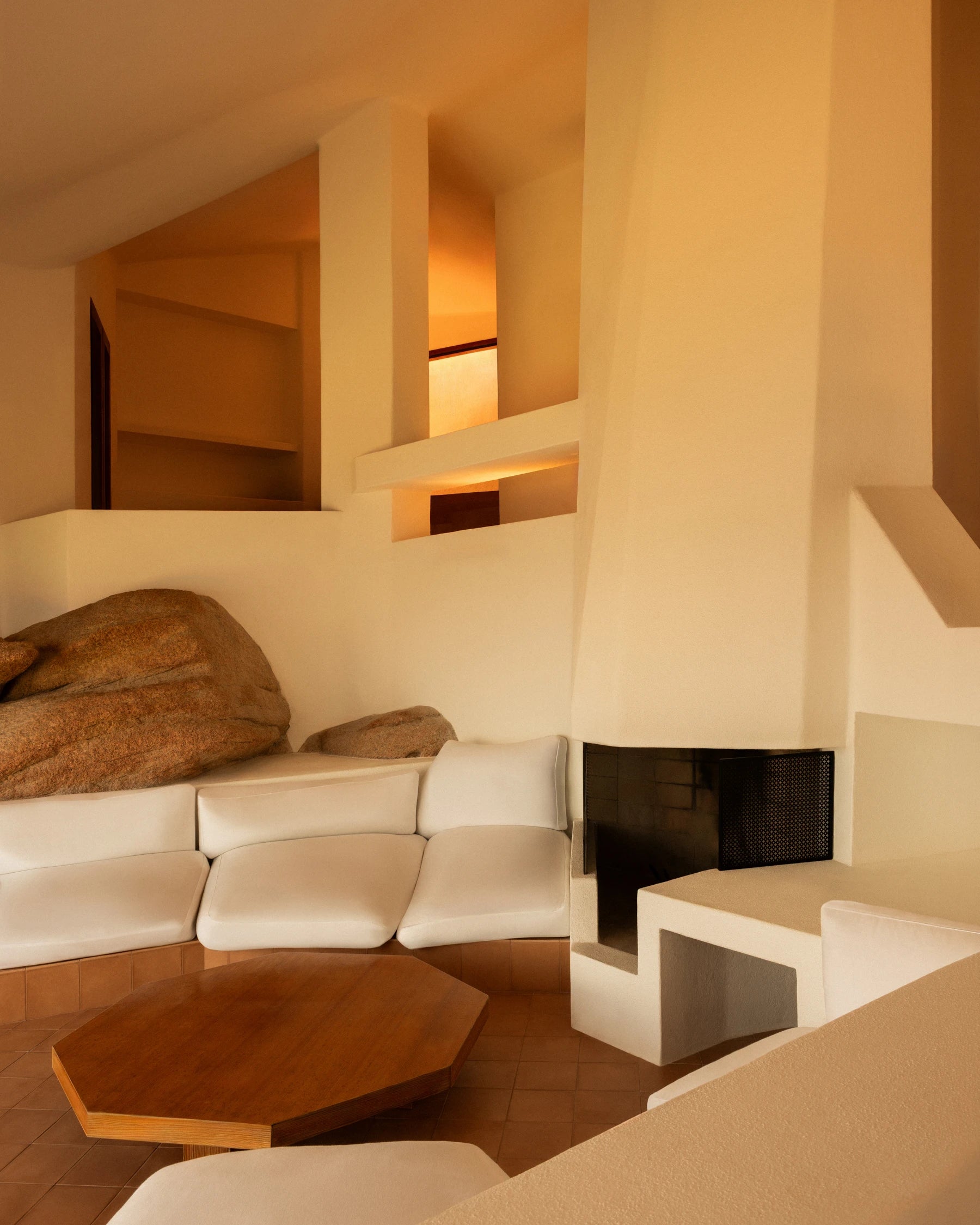
Casa Scalesciani is a reflection on architecture rooted in place. Designed by Alberto Ponis and nestled into Sardinia's rugged coastline, the house reveals a quiet philosophy where landscape, light, and everyday life exist in careful balance.
PHOTOGRAPHY BY CHRISTIAN M. ANDERSEN


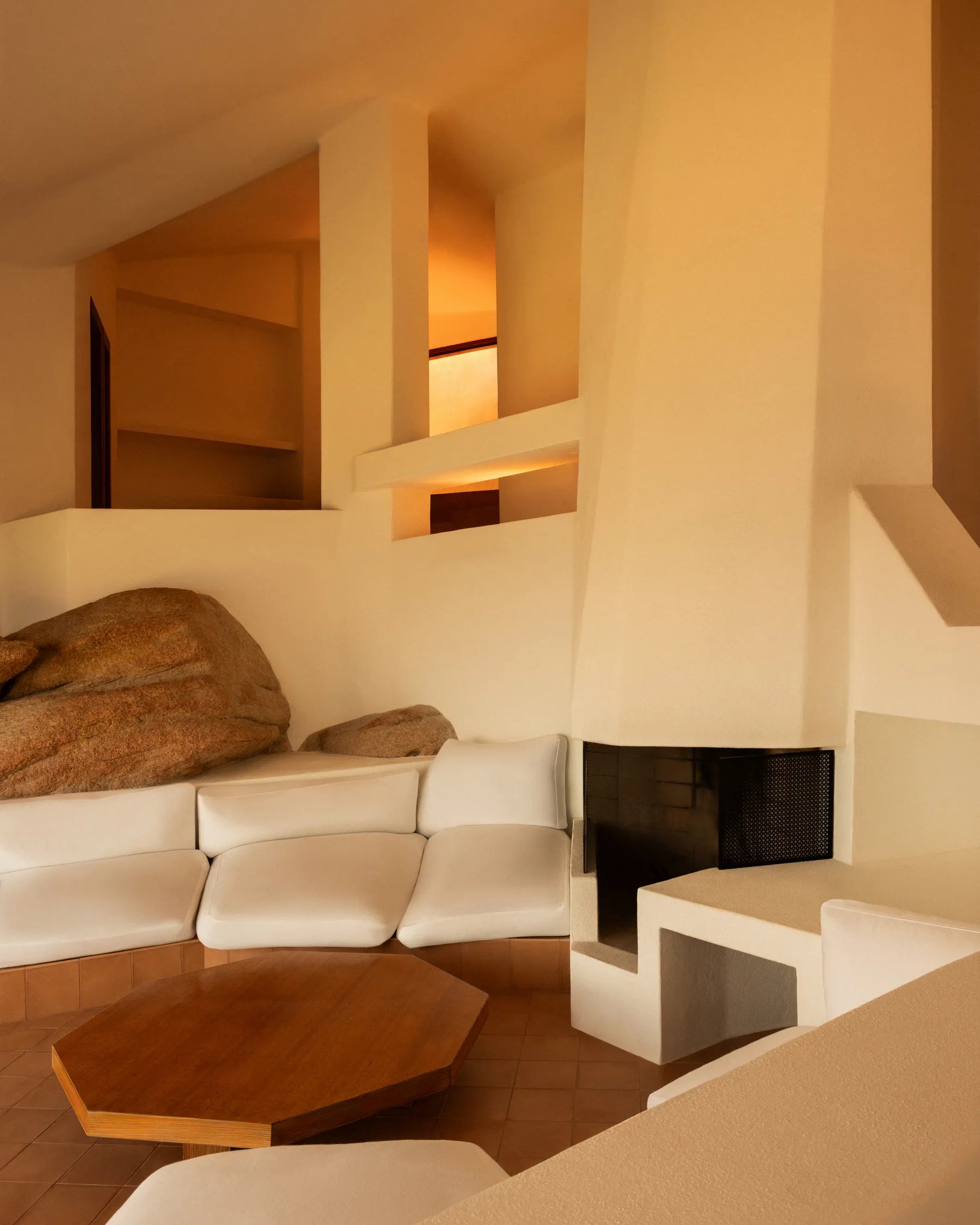
Designed in 1977, Casa Scalesciani reflects Alberto Ponis' belief that architecture should emerge from the landscape rather than sit apart from it.
CASA SCALESCIANI
There are places that leave an impression long before you understand why. Casa Scalesciani is one of them.
Perched high above the sea in Costa Paradiso on Sardinia's northern coastline, the house sits among granite cliffs, wild Mediterranean vegetation, and pathways shaped by wind and time. The landscape feels elemental. Salt hangs in the air, the sea stretches endlessly beyond the rocks, and every movement through the terrain seems to unfold at its own pace. It is the kind of place that encourages you to slow down almost immediately.
Designed in 1977 by architect Alberto Ponis, Casa Scalesciani appears less like a house placed within the landscape than one discovered within it. Seen from the water, it settles into the cliffs as naturally as the surrounding rock formations. From above, it is barely visible at all.
This sensitivity to place defined much of Ponis' work. Born in Italy and based in Sardinia for much of his career, he became known for an architectural approach that began not with form, but with observation.
Rather than imposing an idea onto the land, he allowed the site itself to guide the design. The contours of the terrain and existing rock formations all became active participants in the process. Architecture was not something placed upon the landscape, but something that emerged from it.
What makes the house remarkable, however, is not simply its architecture. It is the atmosphere it creates. There is a quiet generosity to Casa Scalesciani that encourages a slower pace and a heightened awareness of one's surroundings. The house never seeks attention for itself. Instead, the house recedes into the background.
There are places that leave an impression long before you understand why. Casa Scalesciani is one of them.
Perched high above the sea in Costa Paradiso on Sardinia's northern coastline, the house sits among granite cliffs, wild Mediterranean vegetation, and pathways shaped by wind and time. The landscape feels elemental. Salt hangs in the air, the sea stretches endlessly beyond the rocks, and every movement through the terrain seems to unfold at its own pace. It is the kind of place that encourages you to slow down almost immediately.
Designed in 1977 by architect Alberto Ponis, Casa Scalesciani appears less like a house placed within the landscape than one discovered within it. Seen from the water, it settles into the cliffs as naturally as the surrounding rock formations. From above, it is barely visible at all.

This sensitivity to place defined much of Ponis' work. Born in Italy and based in Sardinia for much of his career, he became known for an architectural approach that began not with form, but with observation.
Rather than imposing an idea onto the land, he allowed the site itself to guide the design. The contours of the terrain, existing rock formations, all became active participants in the process. Architecture was not something placed upon the landscape, but something that emerged from it.
What makes the house remarkable, however, is not simply its architecture. It is the atmosphere it creates. There is a quiet generosity to Casa Scalesciani that encourages a slower pace and a heightened awareness of one's surroundings. The house never seeks attention for itself. Instead, the house recedes into the background.
Through a deep understanding of place, Alberto Ponis created a house that feels inseparable from its surroundings. Casa Scalesciani remains a timeless example of architecture shaped by observation, restraint, and respect for the landscape.
Sardinia
CASA SCALESCIANI BY ALBERTO PONIS
Diary

Alberto Ponis allowed the site to determine not only the form of the house, but the views it would frame.
CASA SCALESCIANI
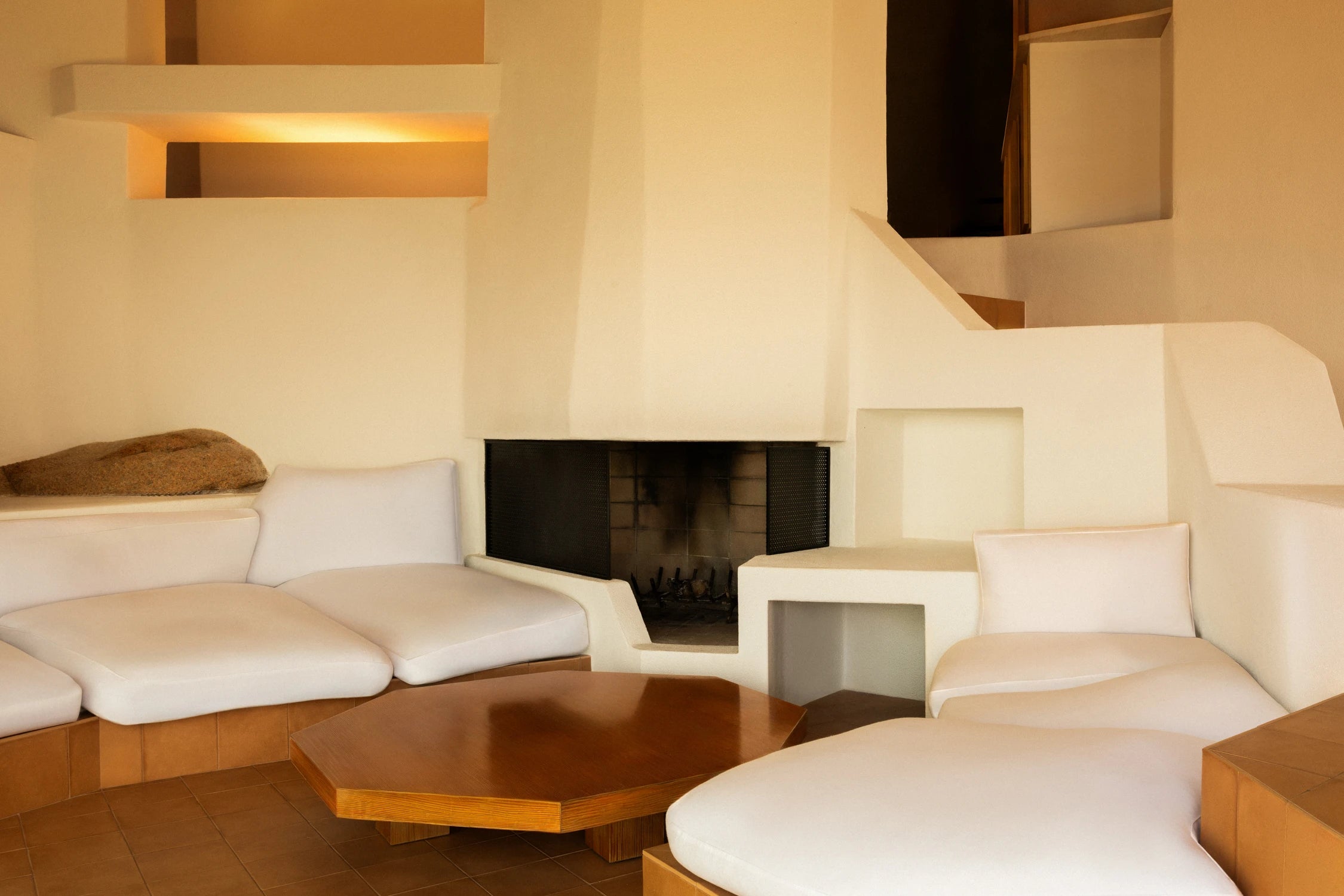
Designed by Sardinian architect Alberto Ponis, Casa Scalesciani was shaped through years of returning to the site. Known for a way of building rooted entirely in place, he allowed the terrain itself to determine the architecture rather than imposing it onto the landscape.
Sardinia
CASA SCALESCIANI BY ALBERTO PONIS
Diary


Designed to belong to the landscape rather than dominate it, the house reveals little of itself from above.


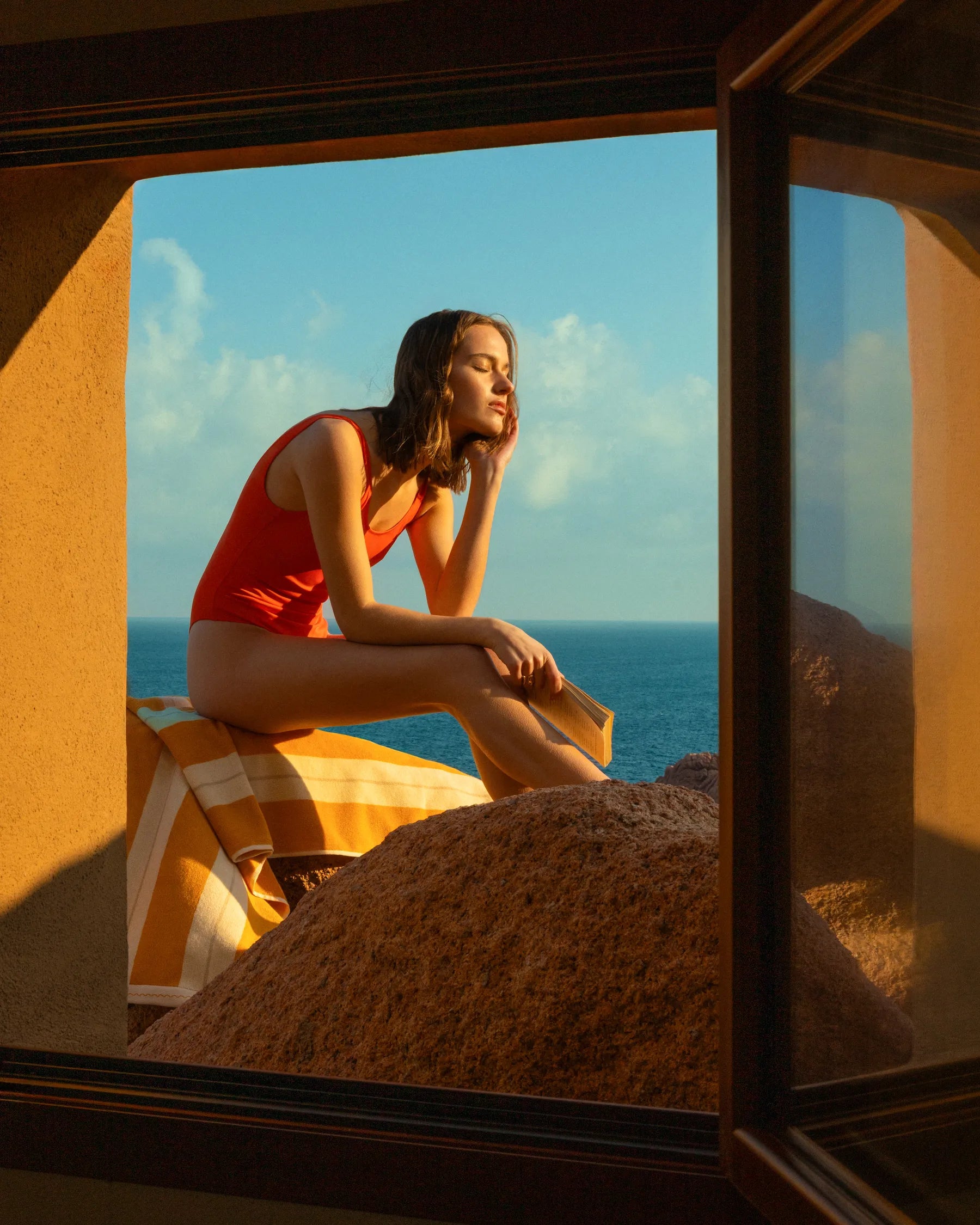
Rather than looking out at the landscape, Casa Scalesciani invites it in.
CASA SCALESCIANI
What makes the house remarkable, however, is not simply its architecture. It is the atmosphere it creates. There is a quiet generosity to Casa Scalesciani that encourages a slower pace and a heightened awareness of one's surroundings. The house never seeks attention for itself. Instead, the house recedes into the background, allowing the surrounding landscape and changing light to shape the experience.
More than four decades after Alberto Ponis completed Casa Scalesciani, its architectural approach remains remarkably relevant. The house is a reminder that architecture does not always need to demand attention. Sometimes its greatest achievement lies in shaping an experience so subtly that it becomes almost inseparable from the place itself.
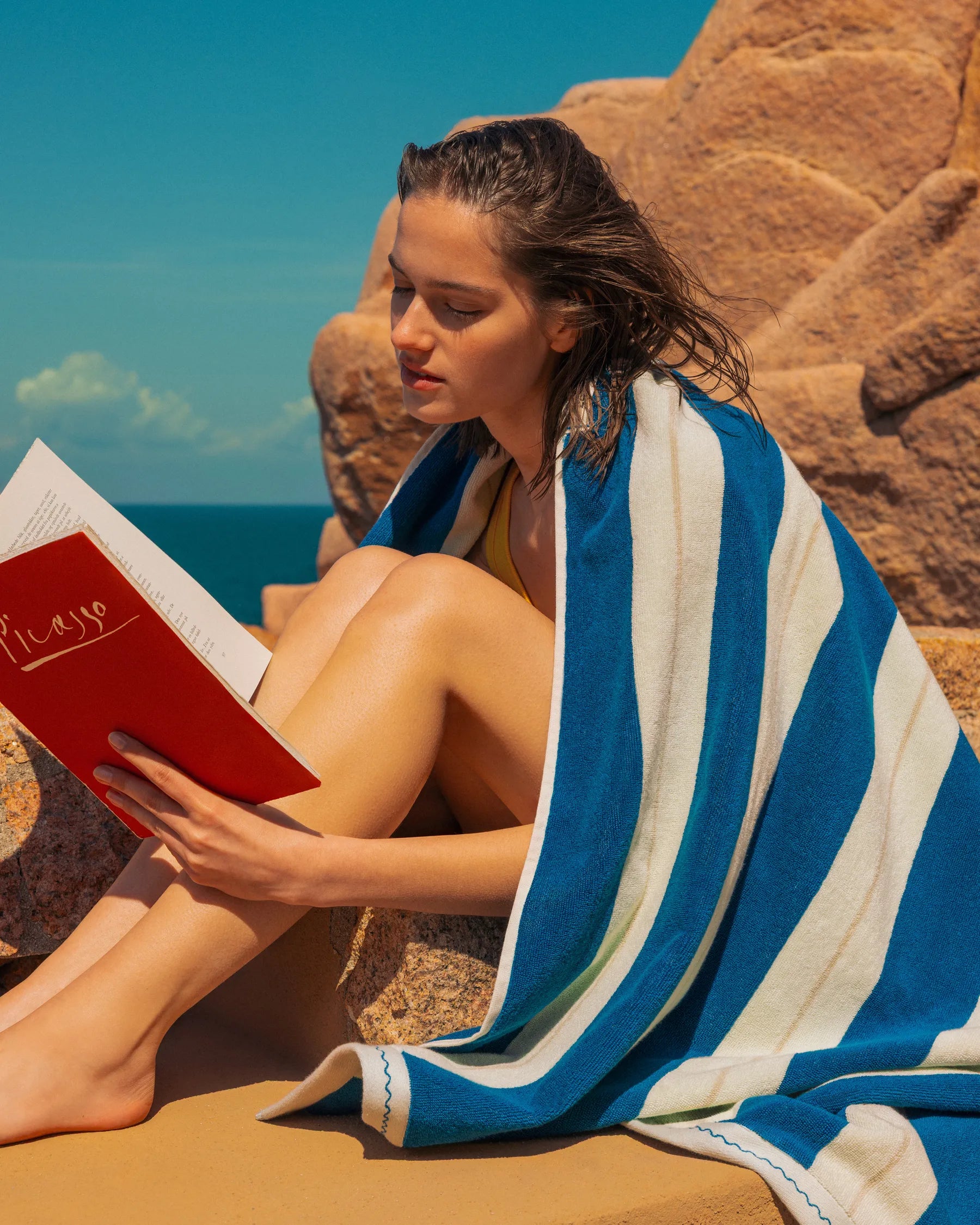
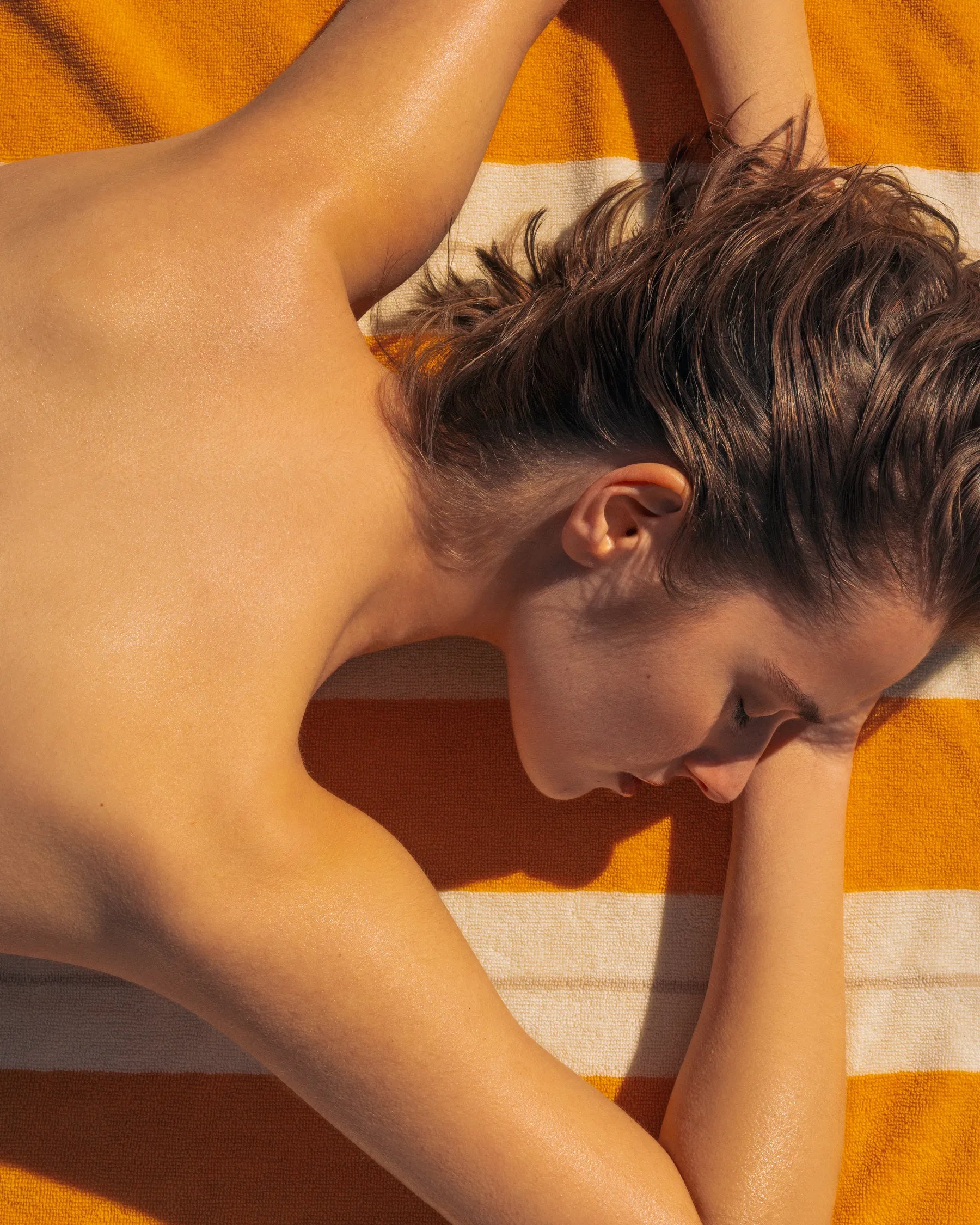
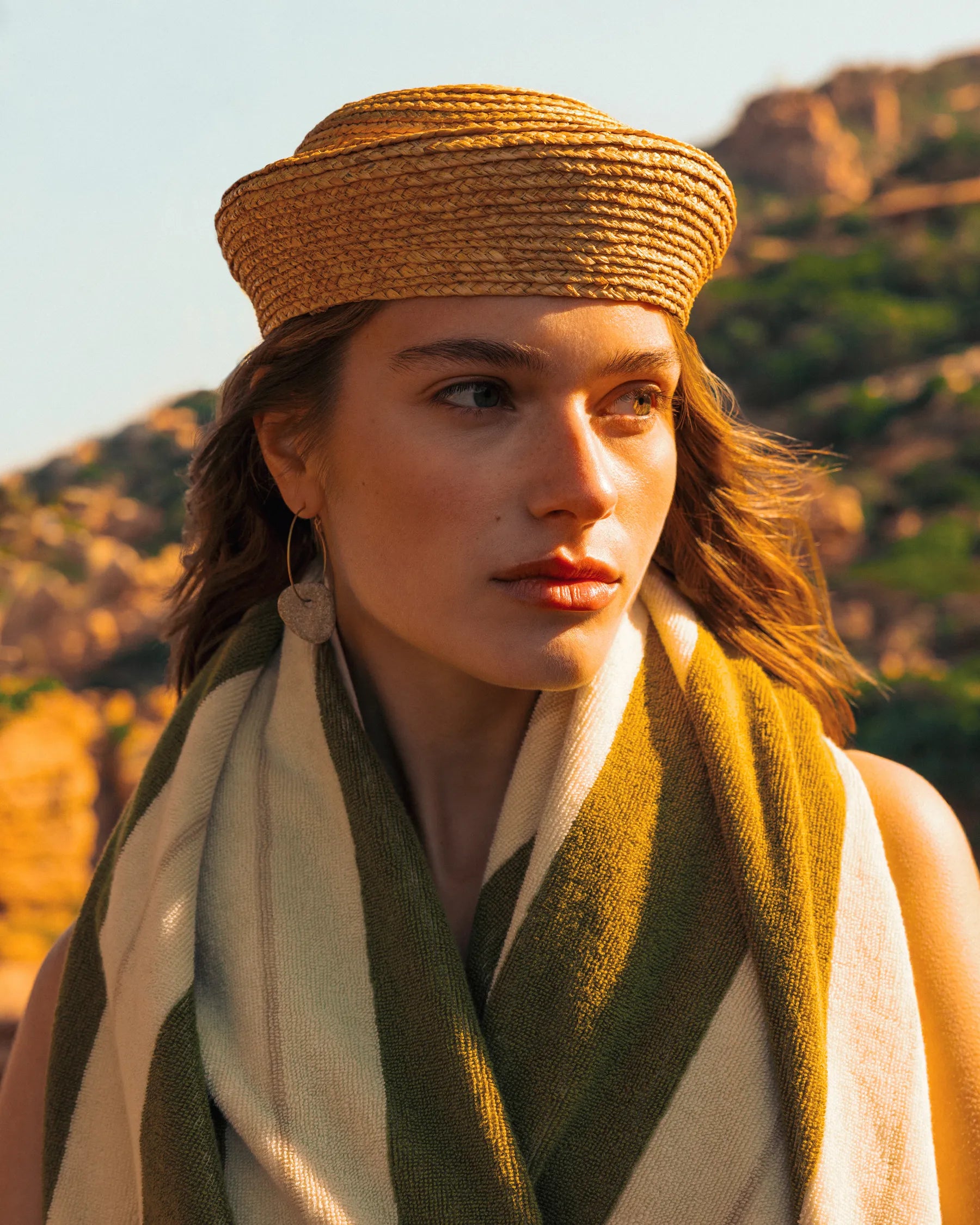
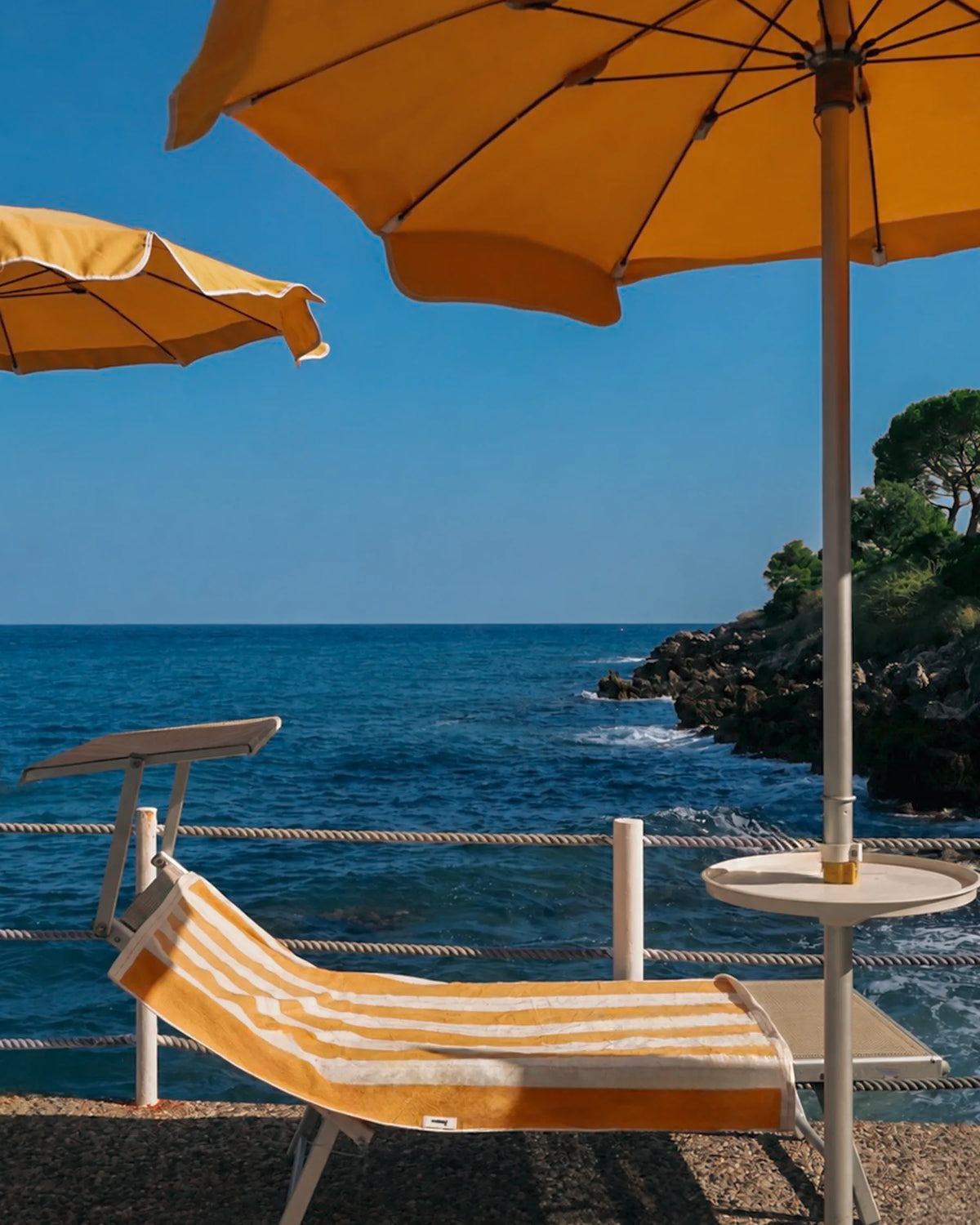
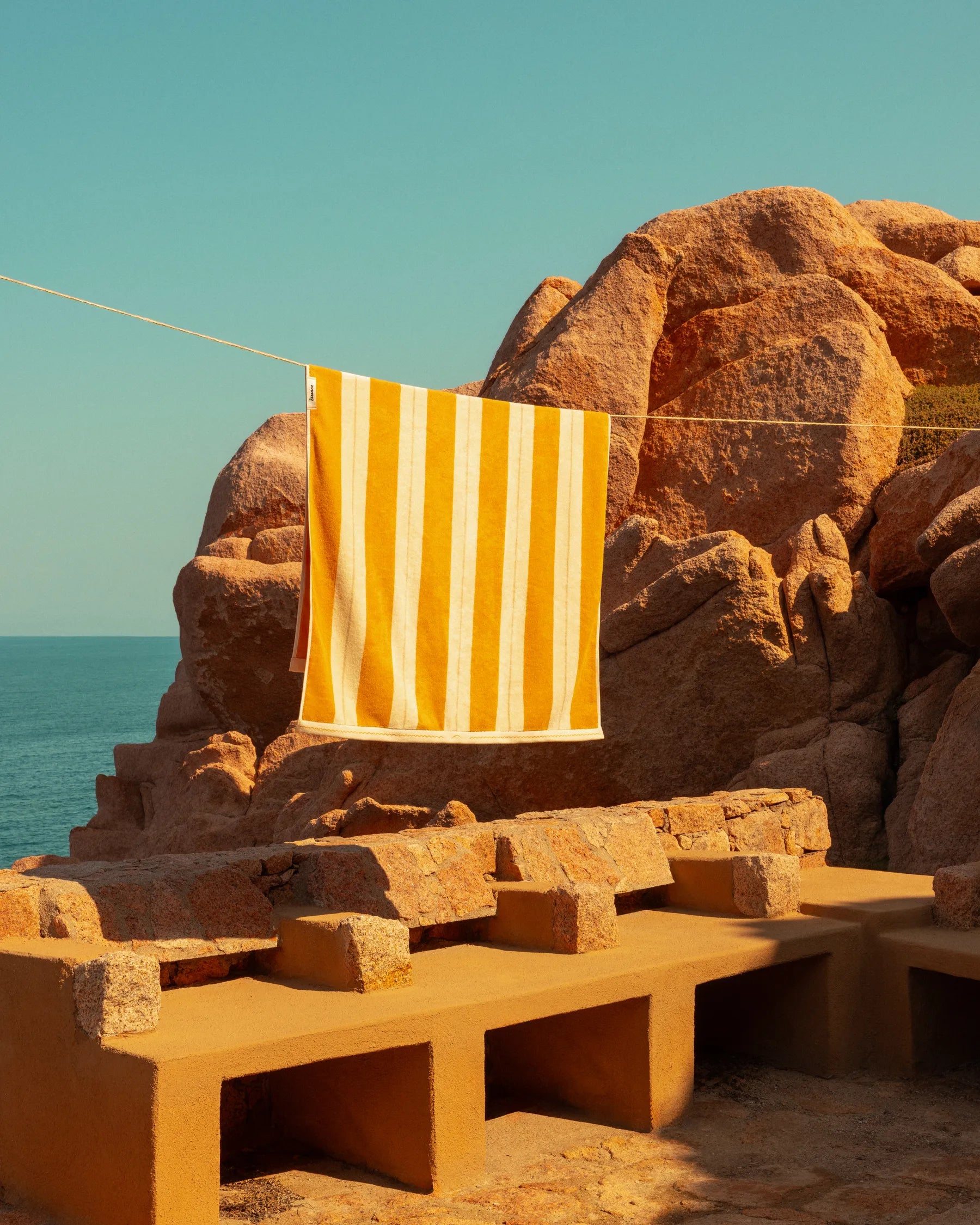
It was this shared sensibility that led us to photograph Far Niente, Éteanne's first campaign, at Casa Scalesciani. More than simply a backdrop, the house embodied many of the values that have shaped the brand from the beginning: a slower pace, an appreciation for everyday rituals, and a deep connection to place. The title, Far Niente, speaks to the quiet luxury of doing nothing. Not as idleness, but as a conscious choice to slow down, observe, and appreciate moments that often pass unnoticed.
In many ways, Casa Scalesciani continues to embody that idea. Nearly half a century after Alberto Ponis first walked the site, the house remains a lasting example of architecture that listens rather than imposes. It asks very little of those who visit. Only that they slow down, pay attention, and allow the landscape to reveal itself gradually. And perhaps that is why it remains so memorable. Not because of what it demands us to notice, but because of everything it quietly allows us to see.
What makes the house remarkable, however, is not simply its architecture. It is the atmosphere it creates. There is a quiet generosity to Casa Scalesciani that encourages a slower pace and a heightened awareness of one's surroundings. The house never seeks attention for itself. Instead, the house recedes into the background, allowing the surrounding landscape and changing light to shape the experience.
More than four decades after Alberto Ponis completed Casa Scalesciani, its architectural approach remains remarkably relevant. The house is a reminder that architecture does not always need to demand attention. Sometimes its greatest achievement lies in shaping an experience so subtly that it becomes almost inseparable from the place itself.
It was this shared sensibility that led us to photograph Far Niente, Éteanne's first campaign, at Casa Scalesciani. More than simply a backdrop, the house embodied many of the values that have shaped the brand from the beginning: a slower pace, an appreciation for everyday rituals, and a deep connection to place. The title, Far Niente, speaks to the quiet luxury of doing nothing. Not as idleness, but as a conscious choice to slow down, observe, and appreciate moments that often pass unnoticed.
In many ways, Casa Scalesciani continues to embody that idea. Nearly half a century after Alberto Ponis first walked the site, the house remains a lasting example of architecture that listens rather than imposes. It asks very little of those who visit. Only that they slow down, pay attention, and allow the landscape to reveal itself gradually.
And perhaps that is why it remains so memorable. Not because of what it demands us to notice, but because of everything it quietly allows us to see.
In a culture that often prioritises speed, novelty, and constant stimulation,Casa Scalescianioffers a quieter alternative, encouraging observation over distraction and presence over urgency.
Sardinia
CASA SCALESCIANI BY ALBERTO PONIS
Diary
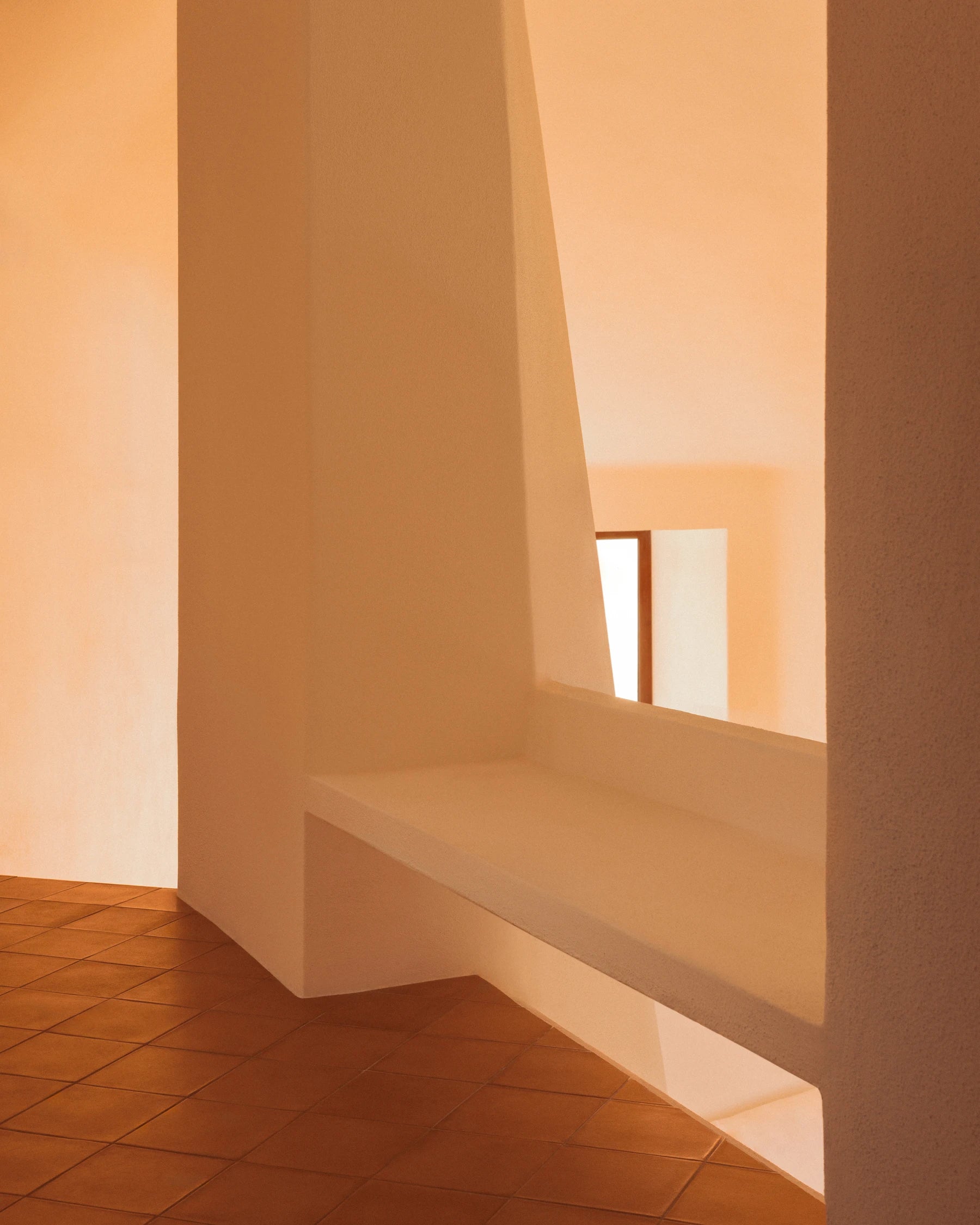
CASA SCALESCIANI
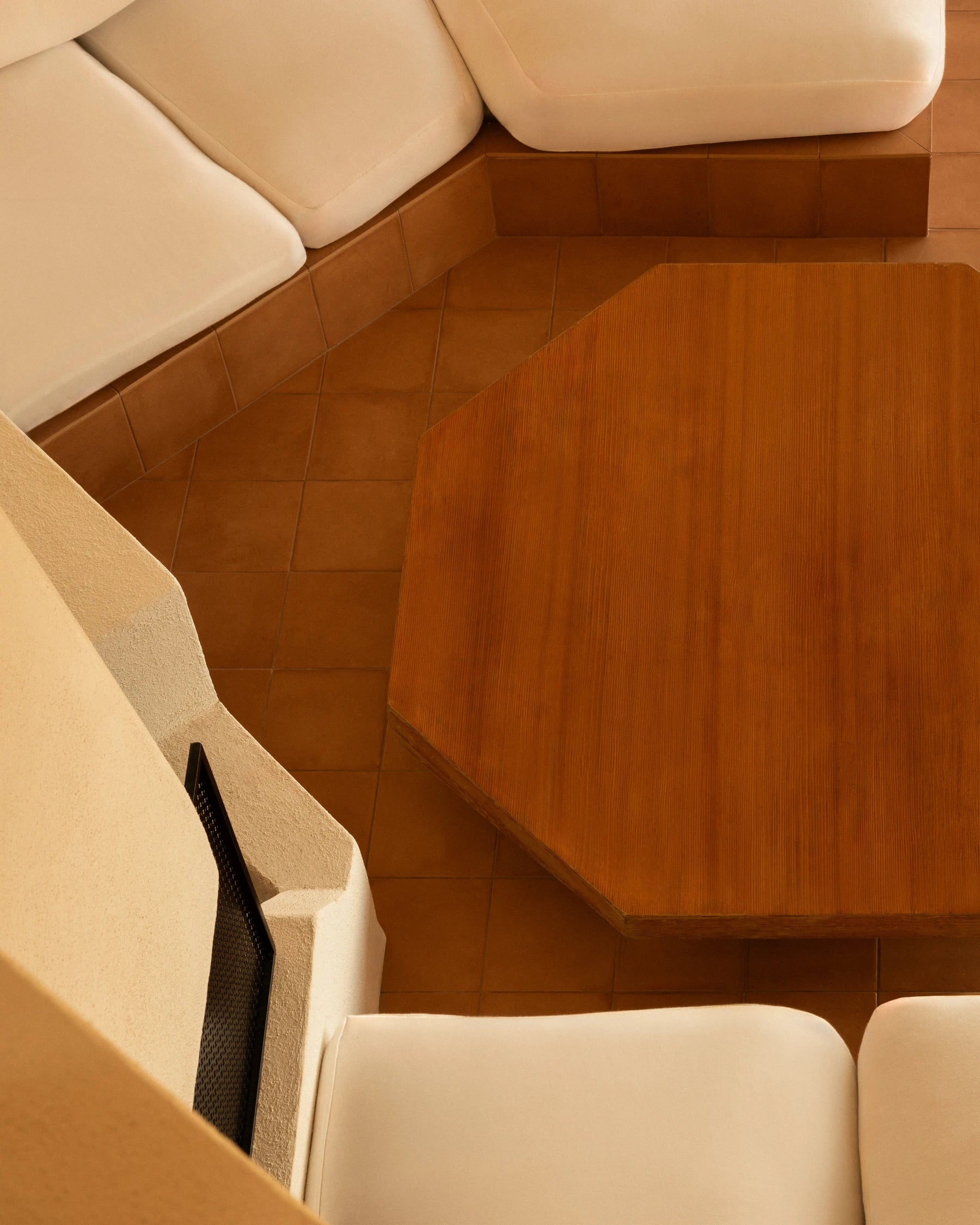
Movement through the house mirrors movement across the landscape, unfolding through a sequence of interconnected spaces that respond quietly to the contours of the site.
Sardinia
CASA SCALESCIANI BY ALBERTO PONIS
Diary

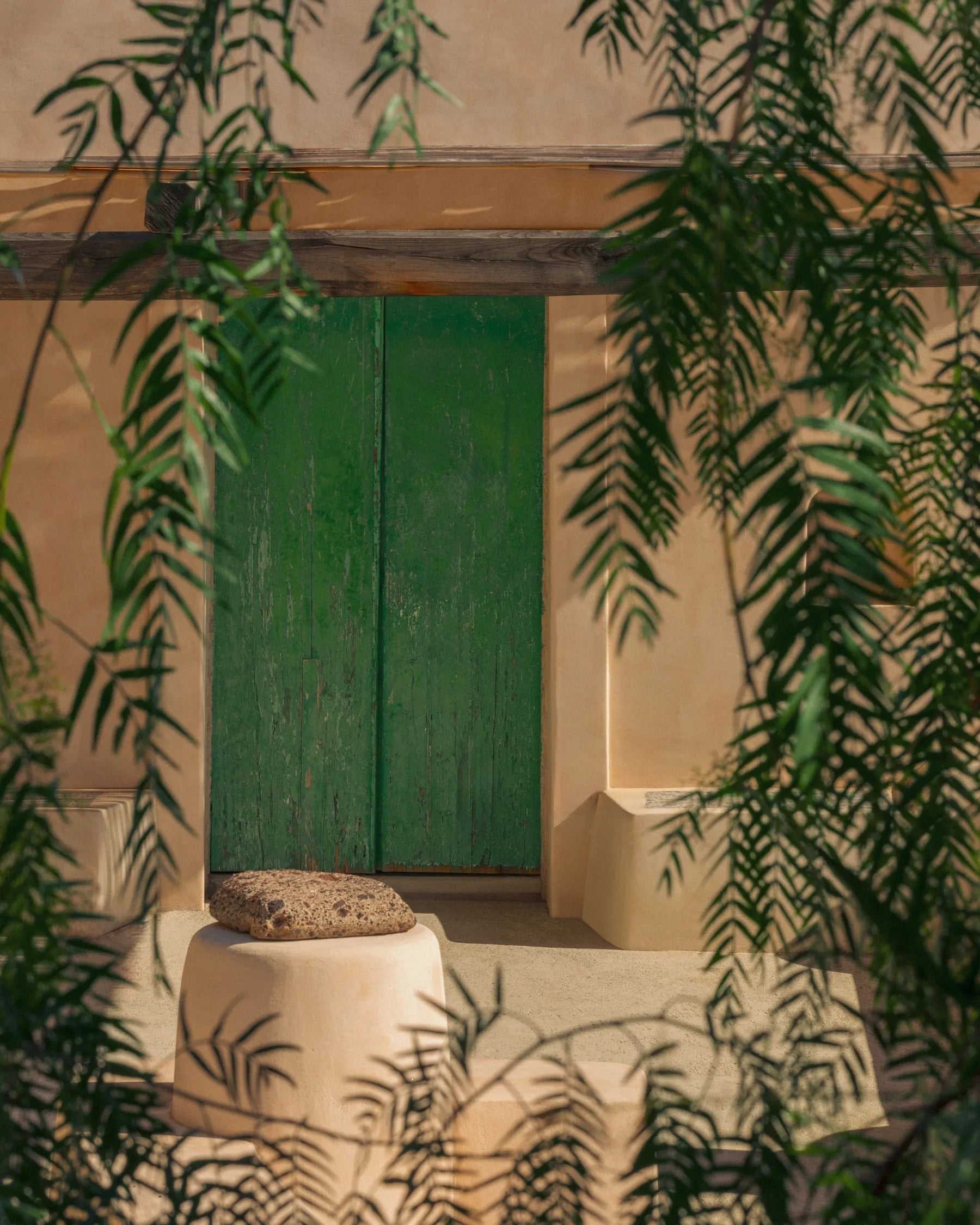
The house rests gently among the coastal and Mediterranean vegetation.


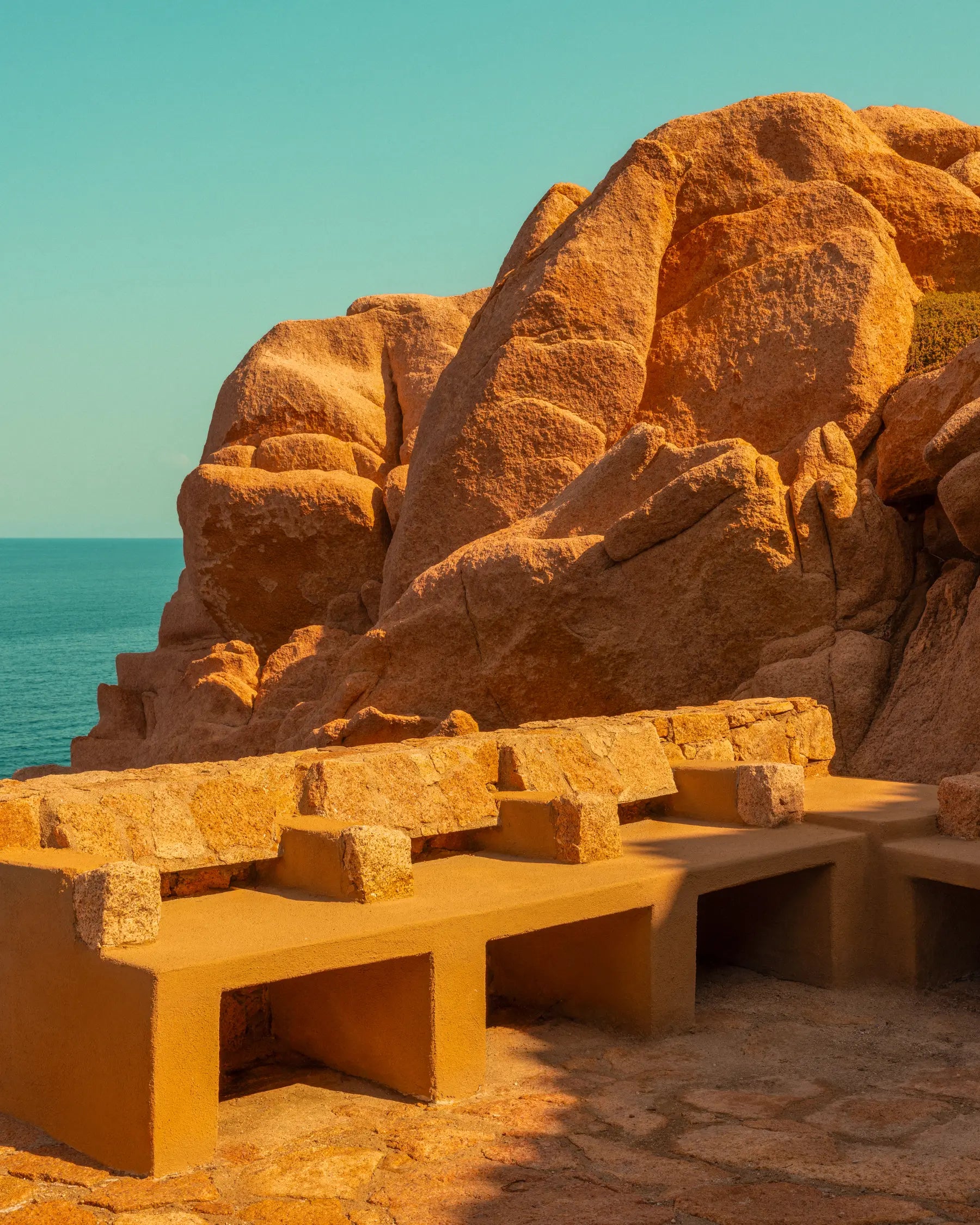
CASA SCALESCIANI
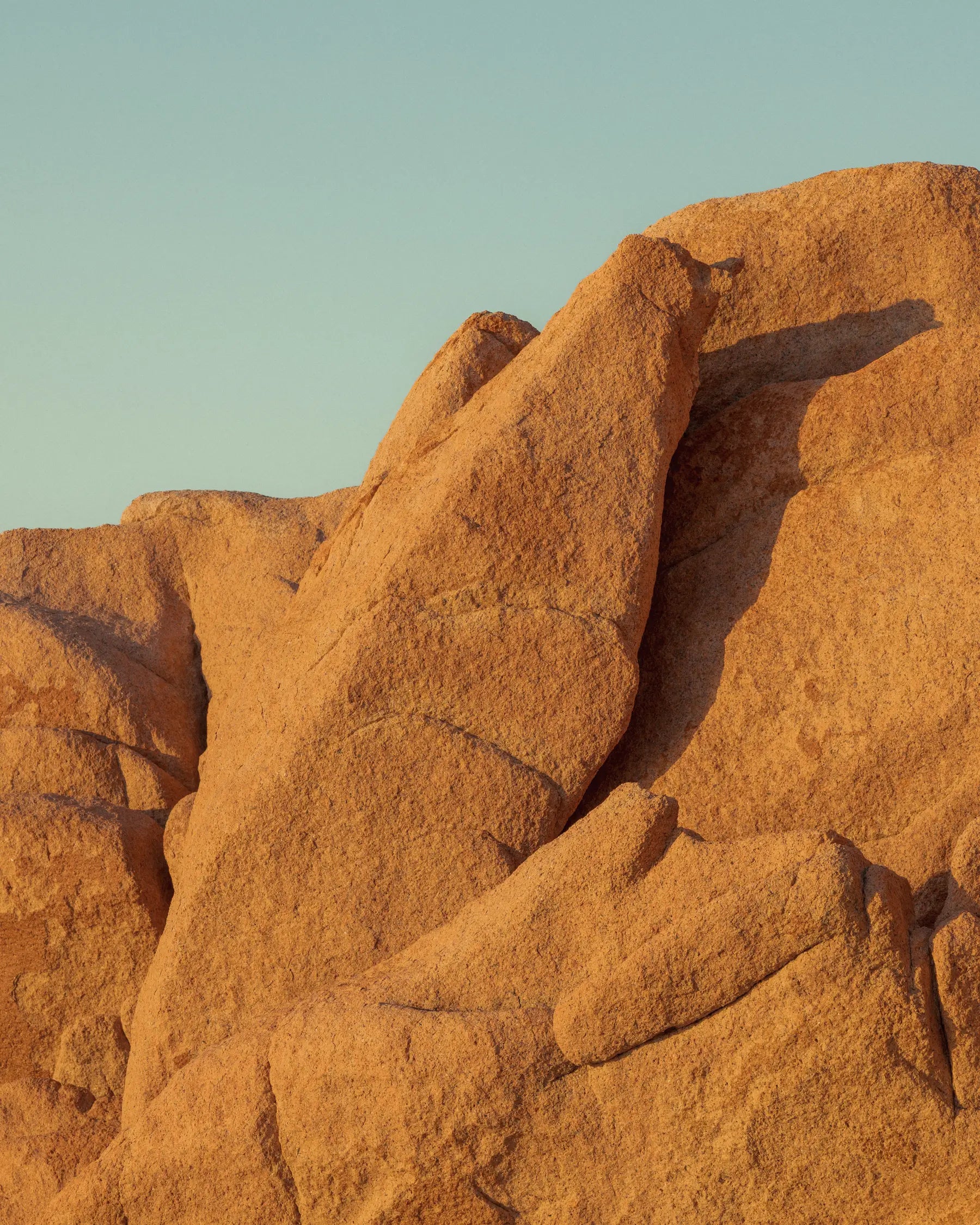
Rather than imposing itself on the landscape, the house moves with it. Its serpentine form traces the contours of the cliff, unfolding through interconnected rooms, terraces, and quiet passages that appear almost carved from the rock itself.
Sardinia
CASA SCALESCIANI BY ALBERTO PONIS
Diary
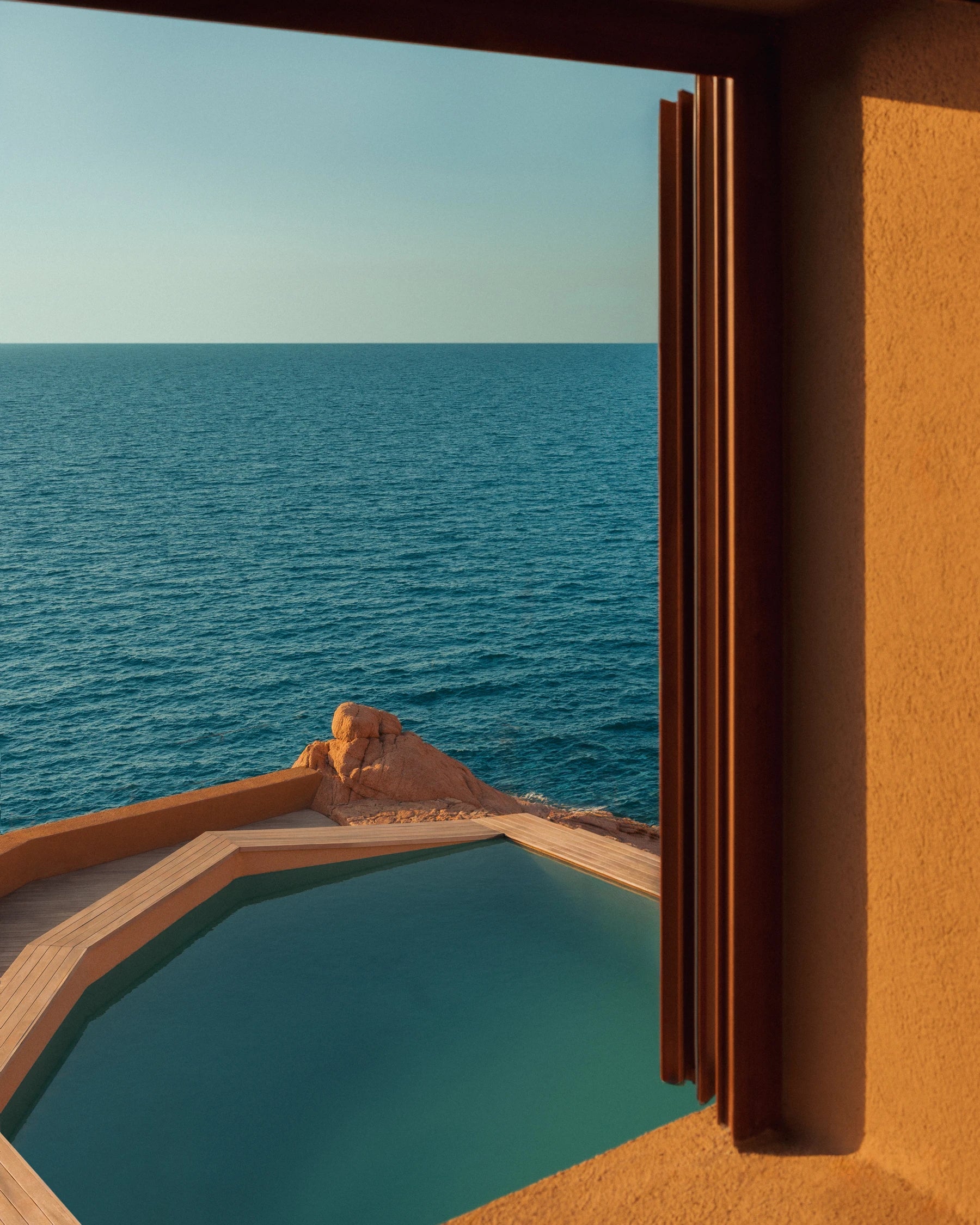
CASA SCALESCIANI
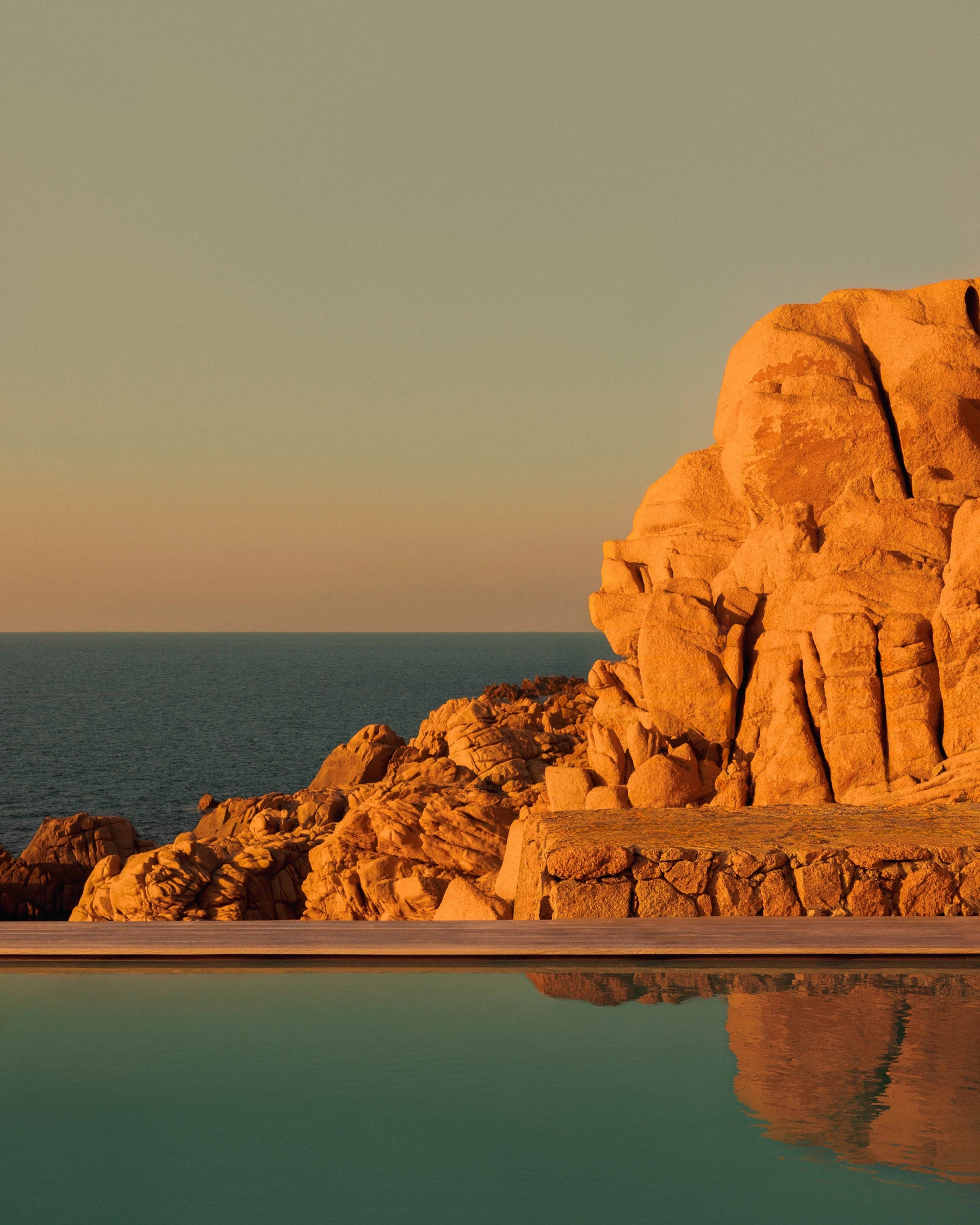
Like the house itself, the pool never competes with the landscape, it quietly belongs to it. Positioned at the edge of the cliff, the pool extends the dialogue between architecture, landscape, and sea.
Sardinia
CASA SCALESCIANI BY ALBERTO PONIS
Diary
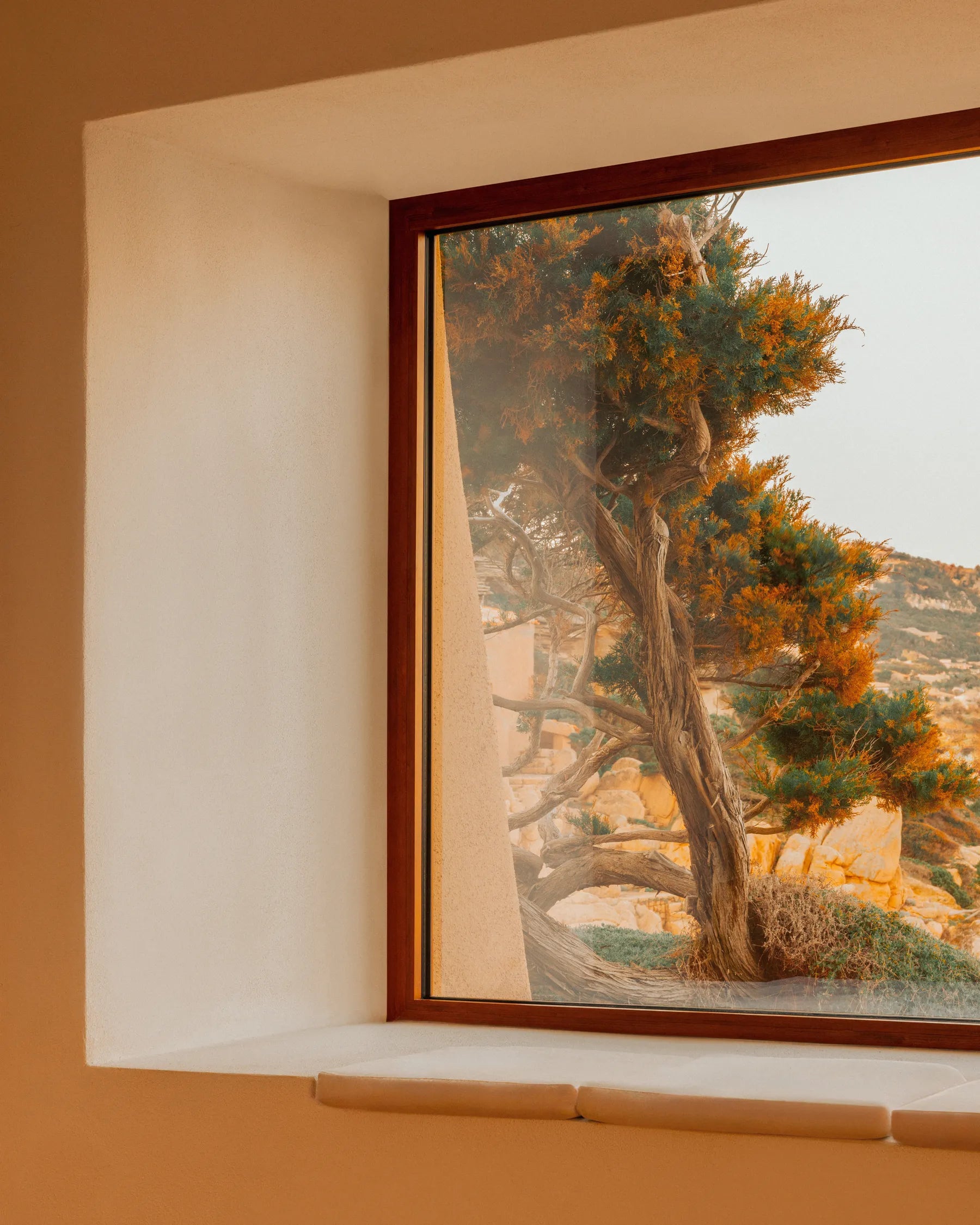
CASA SCALESCIANI
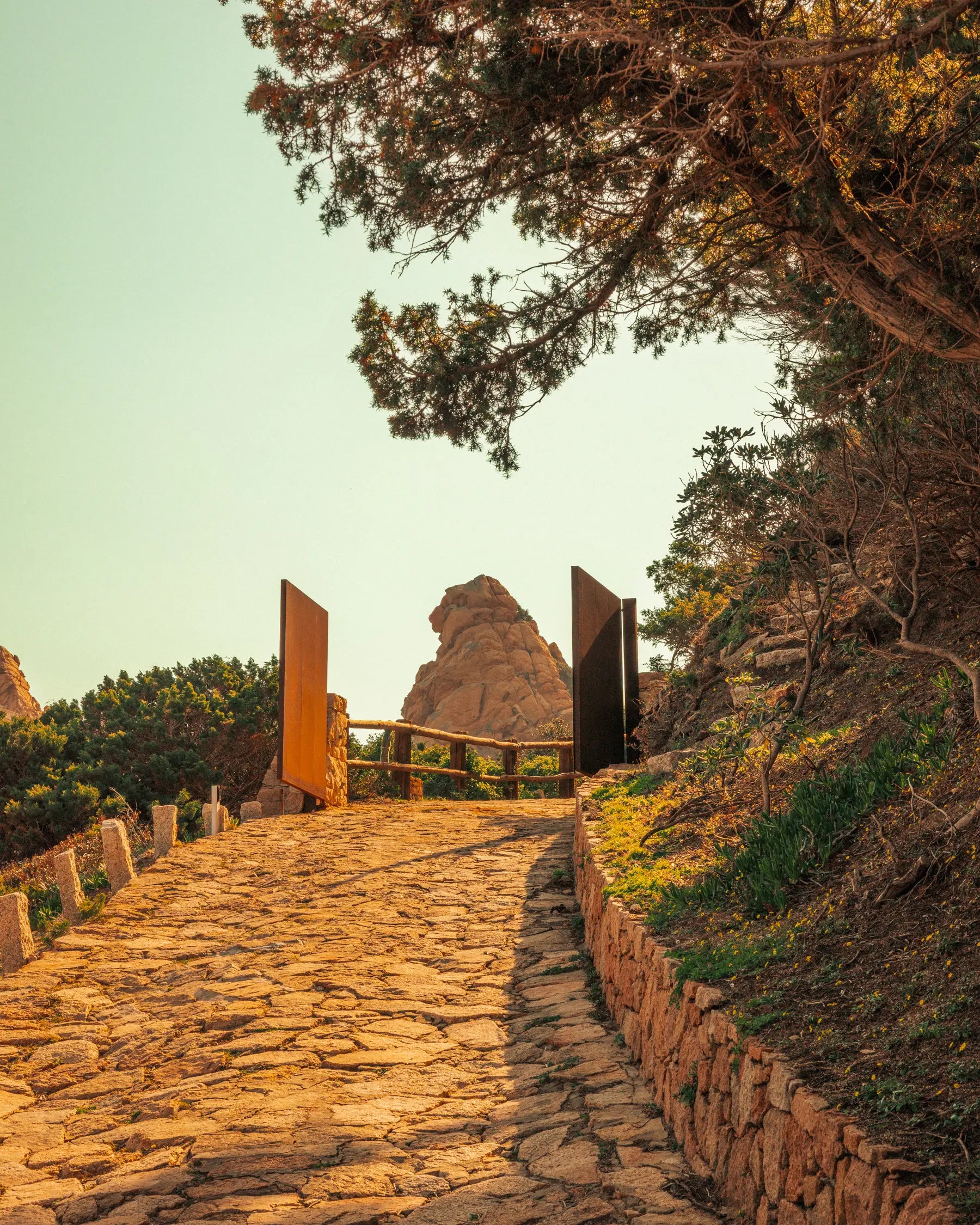
Reached by a narrow stone road winding through the granite landscape, Casa Scalesciani rests at the edge of the cliffs, overlooking the wild coastline of Costa Paradiso, where the Mediterranean stretches uninterrupted towards the horizon.
Sardinia
CASA SCALESCIANI BY ALBERTO PONIS
Diary


Alberto Ponis returned to the site repeatedly, allowing the landscape to guide the architecture.

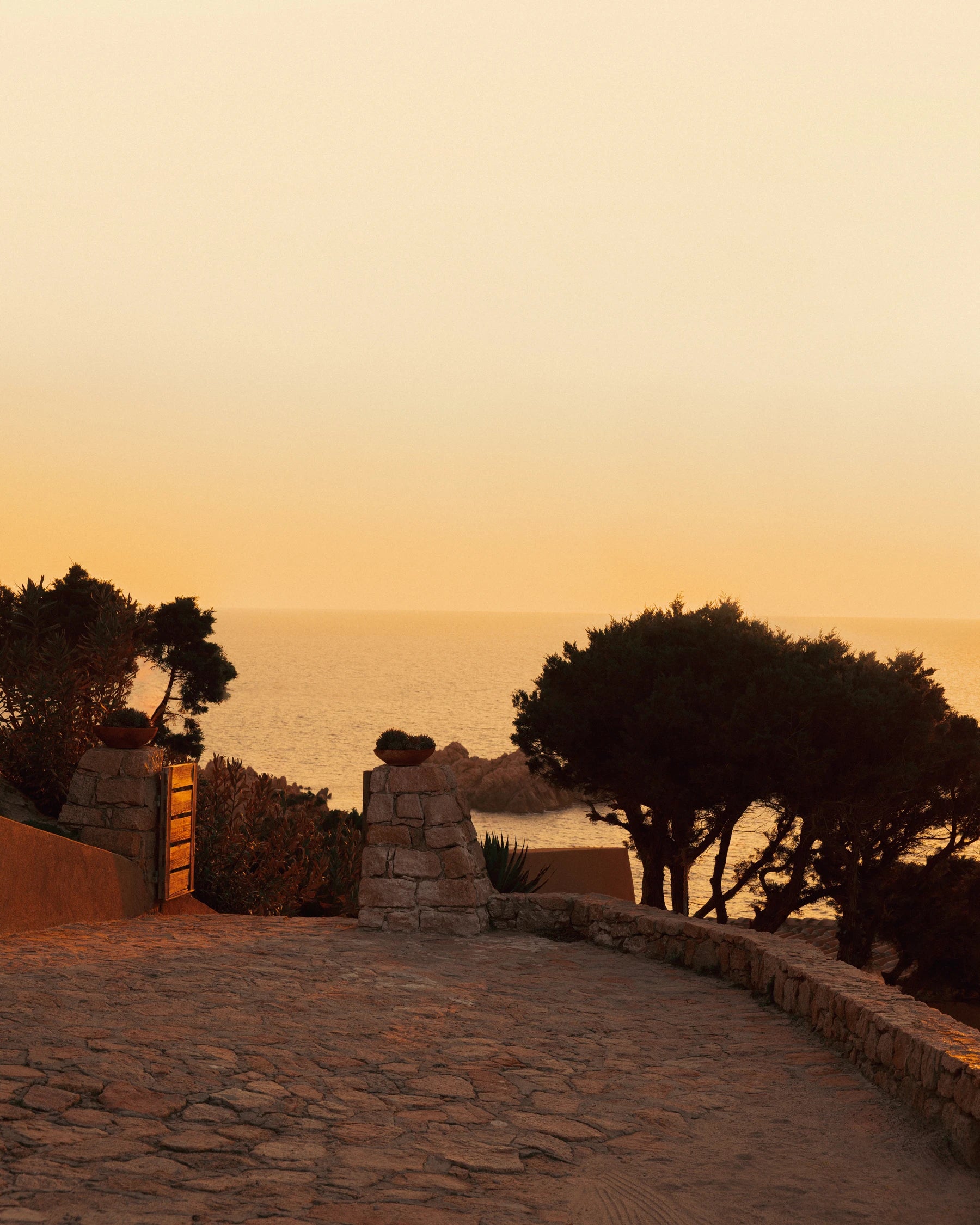
CASA SCALESCIANI
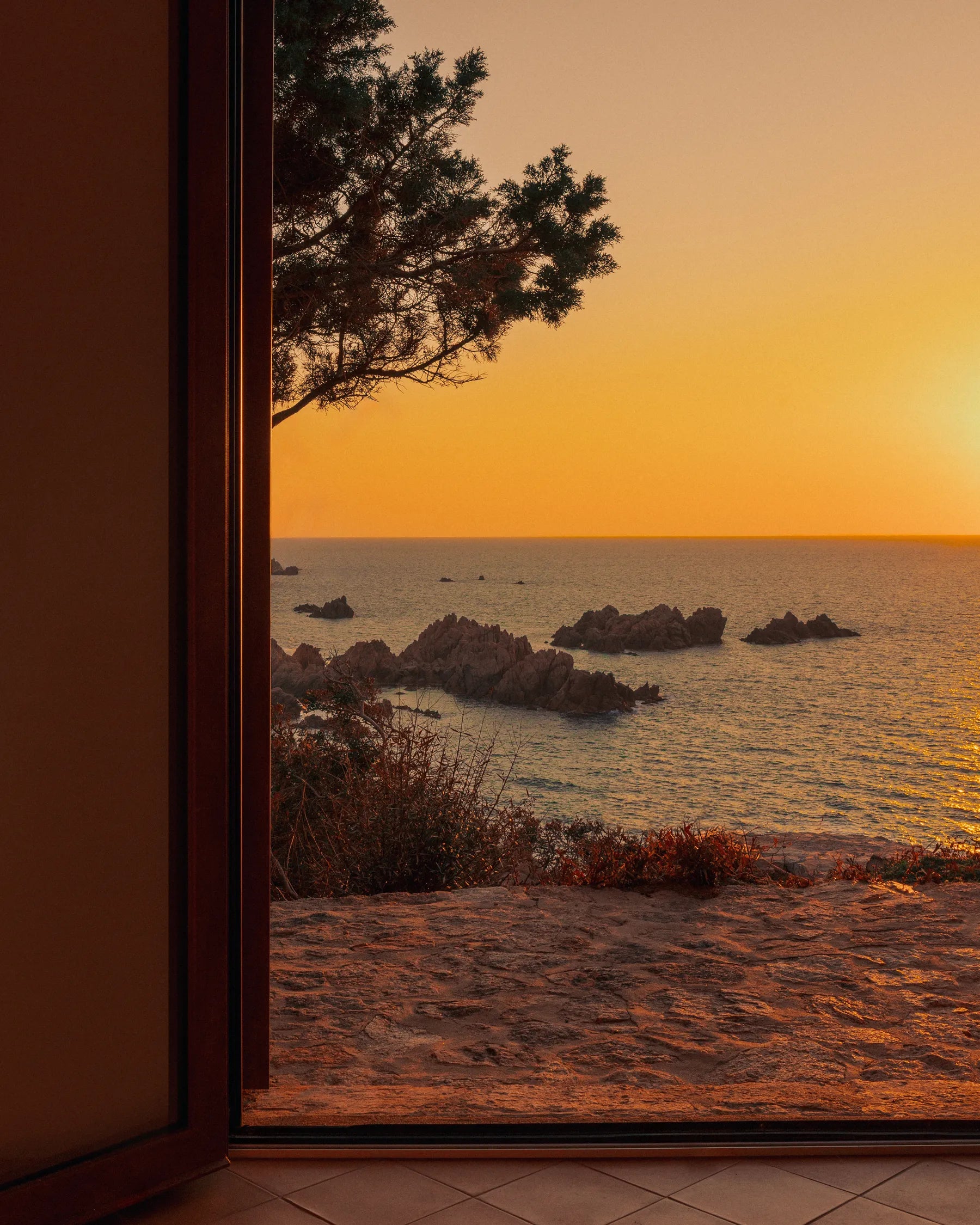
From its position above the sea, Casa Scalesciani offers uninterrupted views of the sunset, as evening light gradually transforms the architecture and landscape into warm golden hues.
Sardinia
CASA SCALESCIANI BY ALBERTO PONIS
Diary

At golden hour, the landscape softens and the house seems to settle even deeper into its surroundings.
CASA SCALESCIANI
Home to Éteanne’s 2026 Spring/Summer campaign, Casa Scalesciani is a house shaped as much by the landscape as by the hand of its architect. Perched above the sea on the northern coast of Sardinia, Alberto Ponis' iconic design invites a slower pace through its sequence of sunlit terraces, weathered stone, and intimate spaces. This editorial explores the quiet character of a place where architecture and nature exist as one.
CREDITS
- PHOTOGRAPHER Christian Møller Andersen
- Architect Alberto Ponis
- LOCATION Costa Paradiso, Sardinia
- YEAR Designed in 1977


